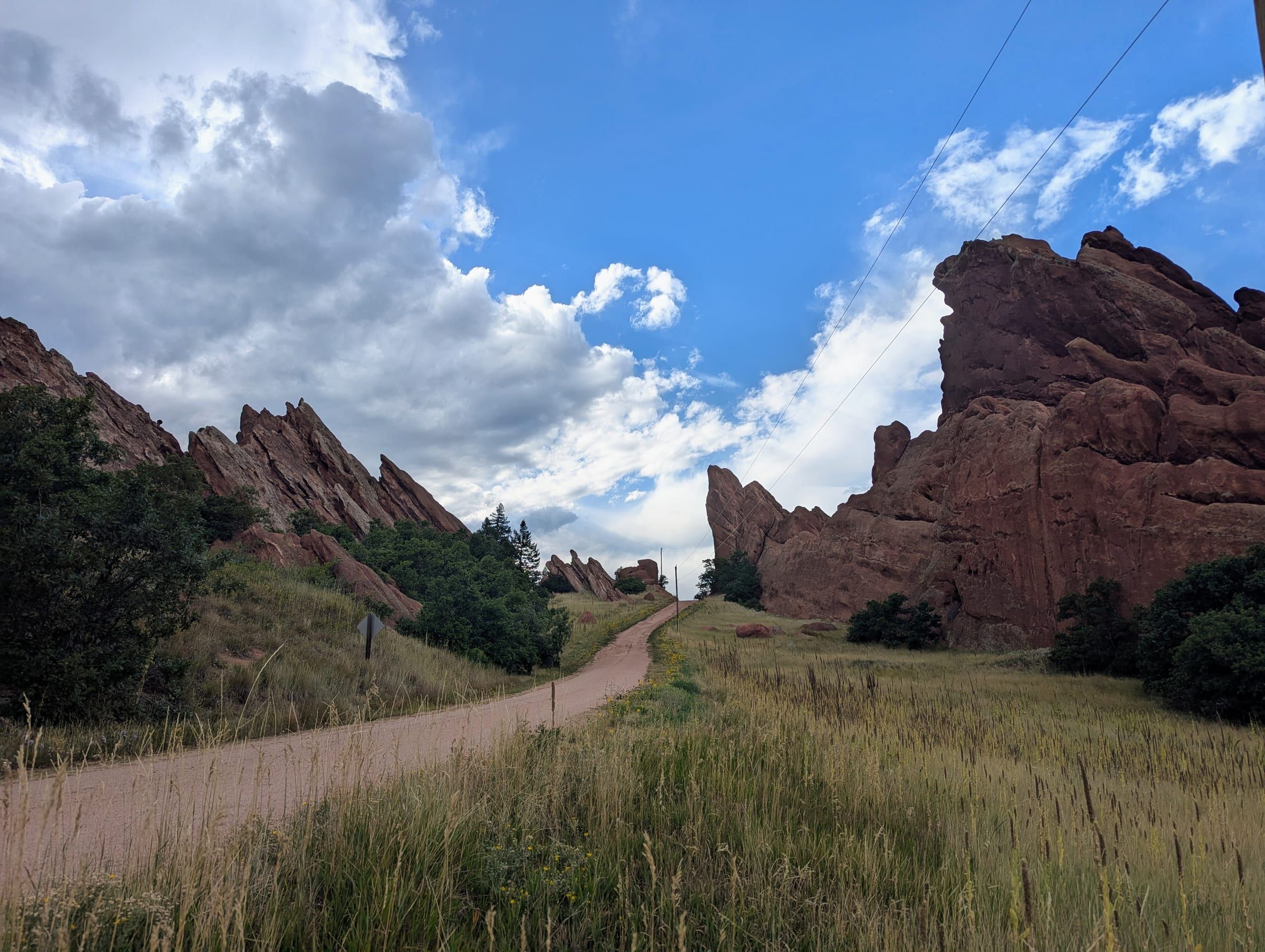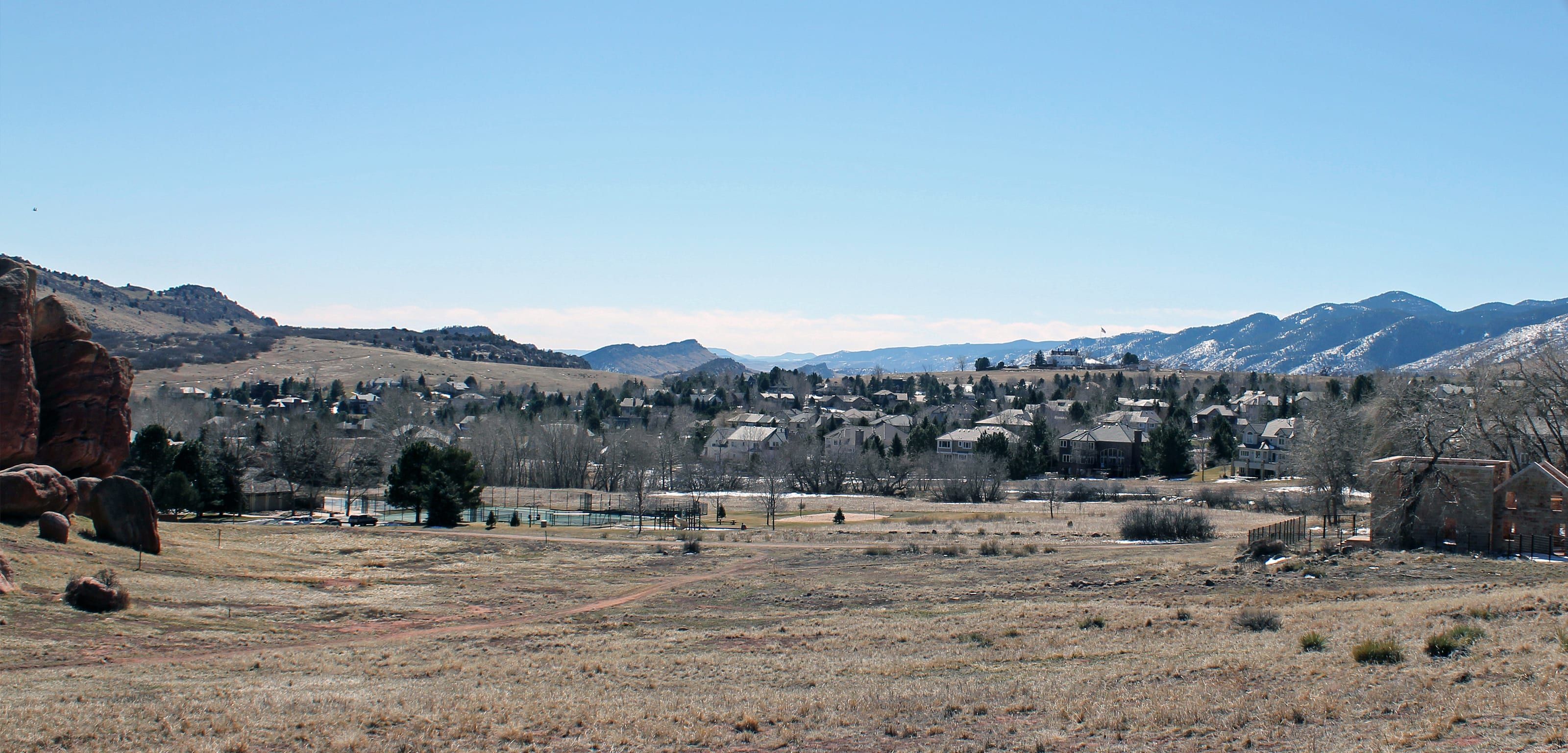
Dry grass and red sandstone outcrops in Ken Caryl, a neighborhood of pitched roofs among bare trees, with the snow-streaked Front Range behind it

Clean, sound chimneys for Littleton homes of every decade.

Sweeping, inspection and masonry repair in Littleton, the Arapahoe County seat south of Denver.

  • Office Mon to Fri 7 AM to 7 PMSat 8 AM to 5 PM, Sun closed
  • Book onlineAny hour
  • Littleton, COWhere we are based

Photo: Jeffrey Beall, CC BY 3.0

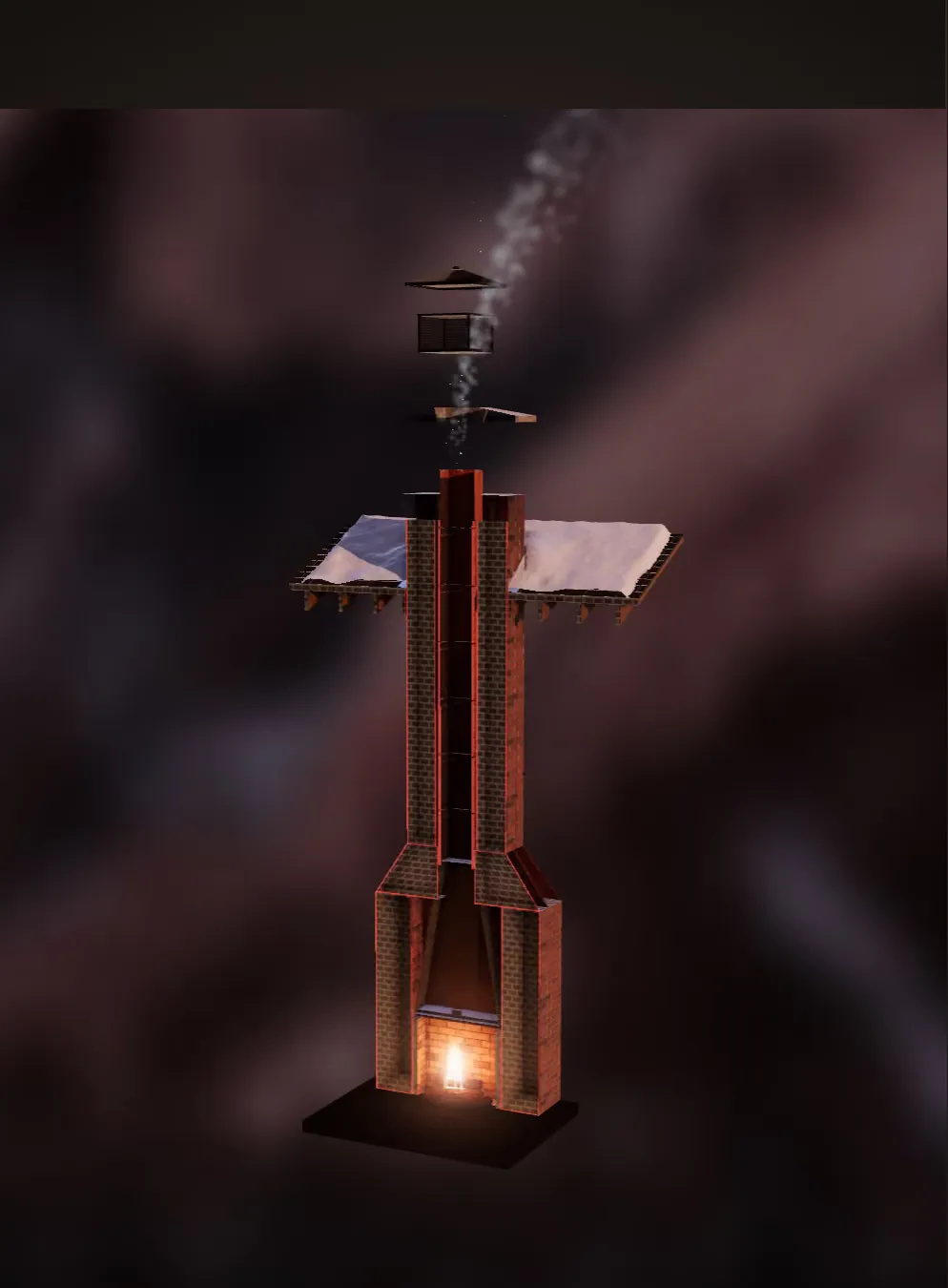
Six parts, cap to firebox, and what Littleton weather asks of each.

Pick a part to see what we look at, and what hail, snow and a long freeze do to it along the Front Range.

Start at the cap
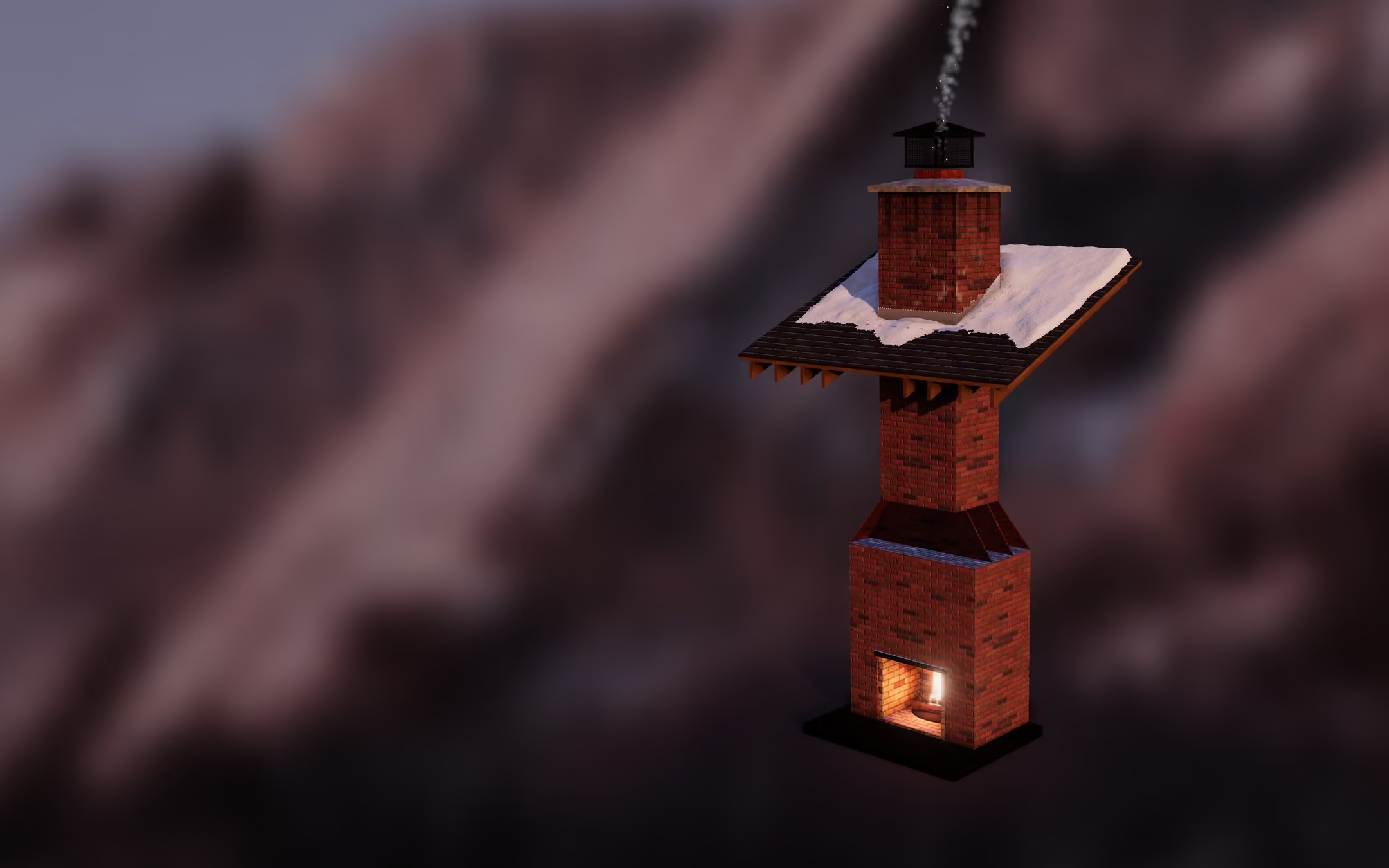
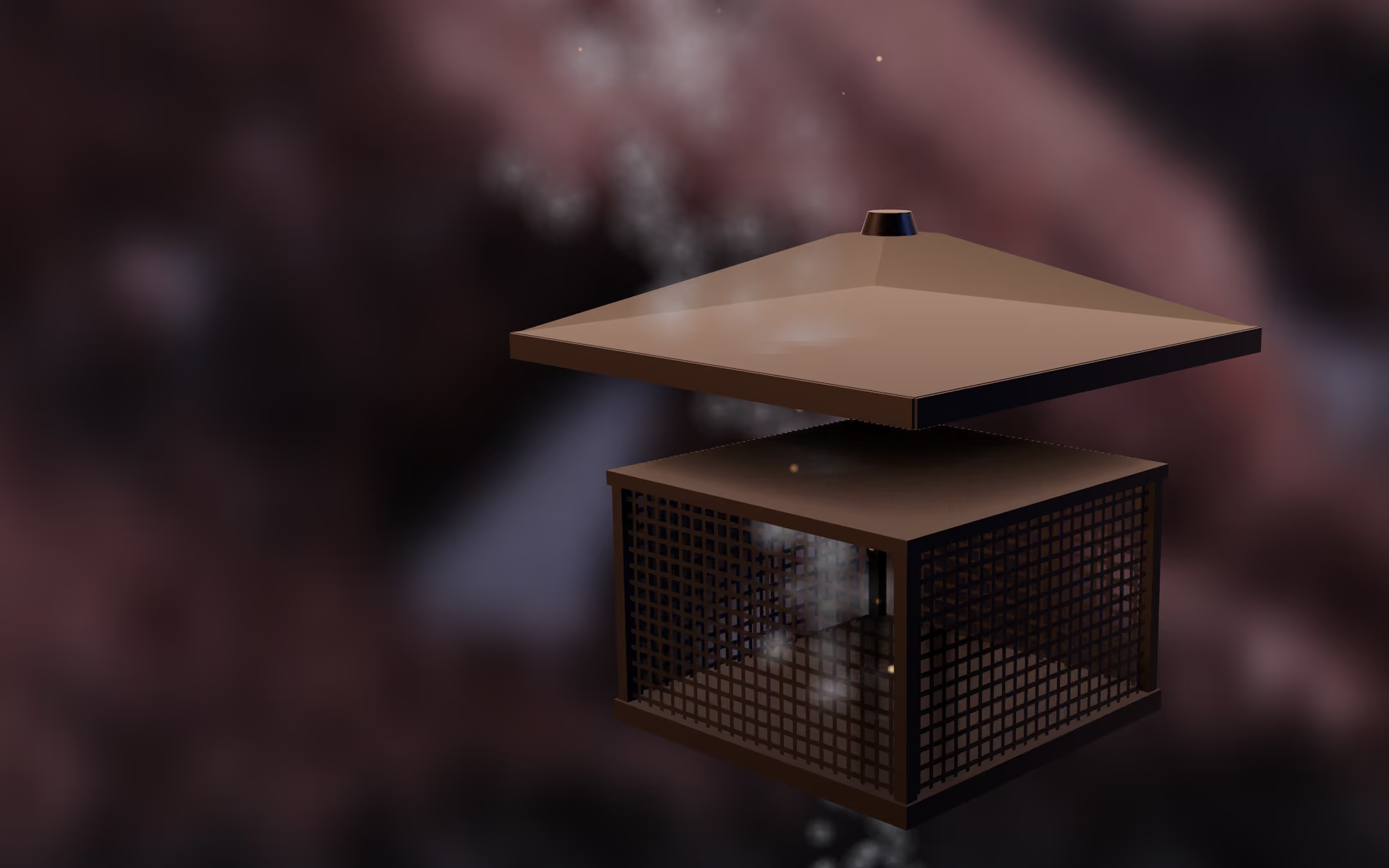
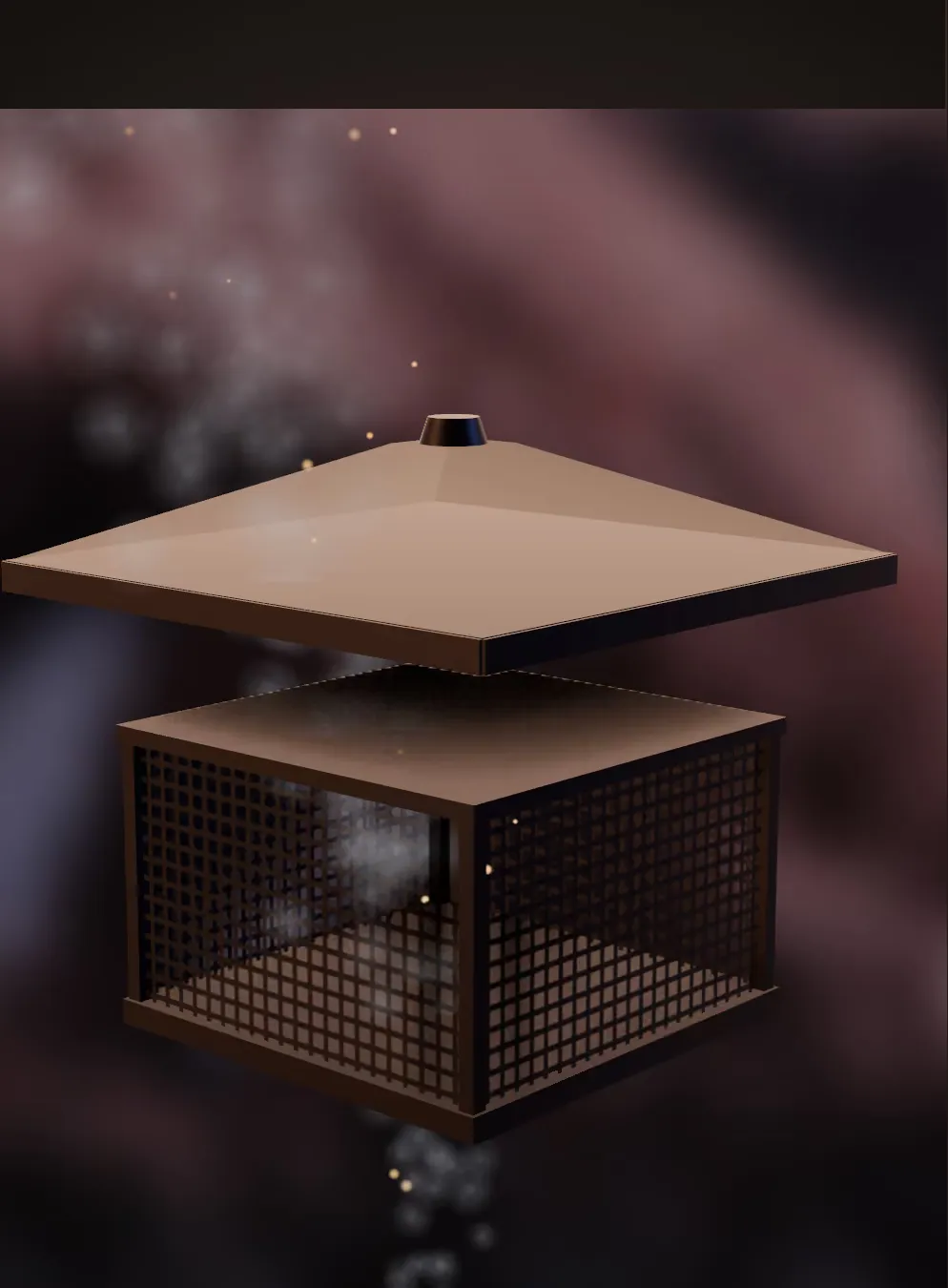
  1. An illustration of a chimney cap, a screened box under a lifted roof
    Illustration

    1First thing the weather hits

    Cap

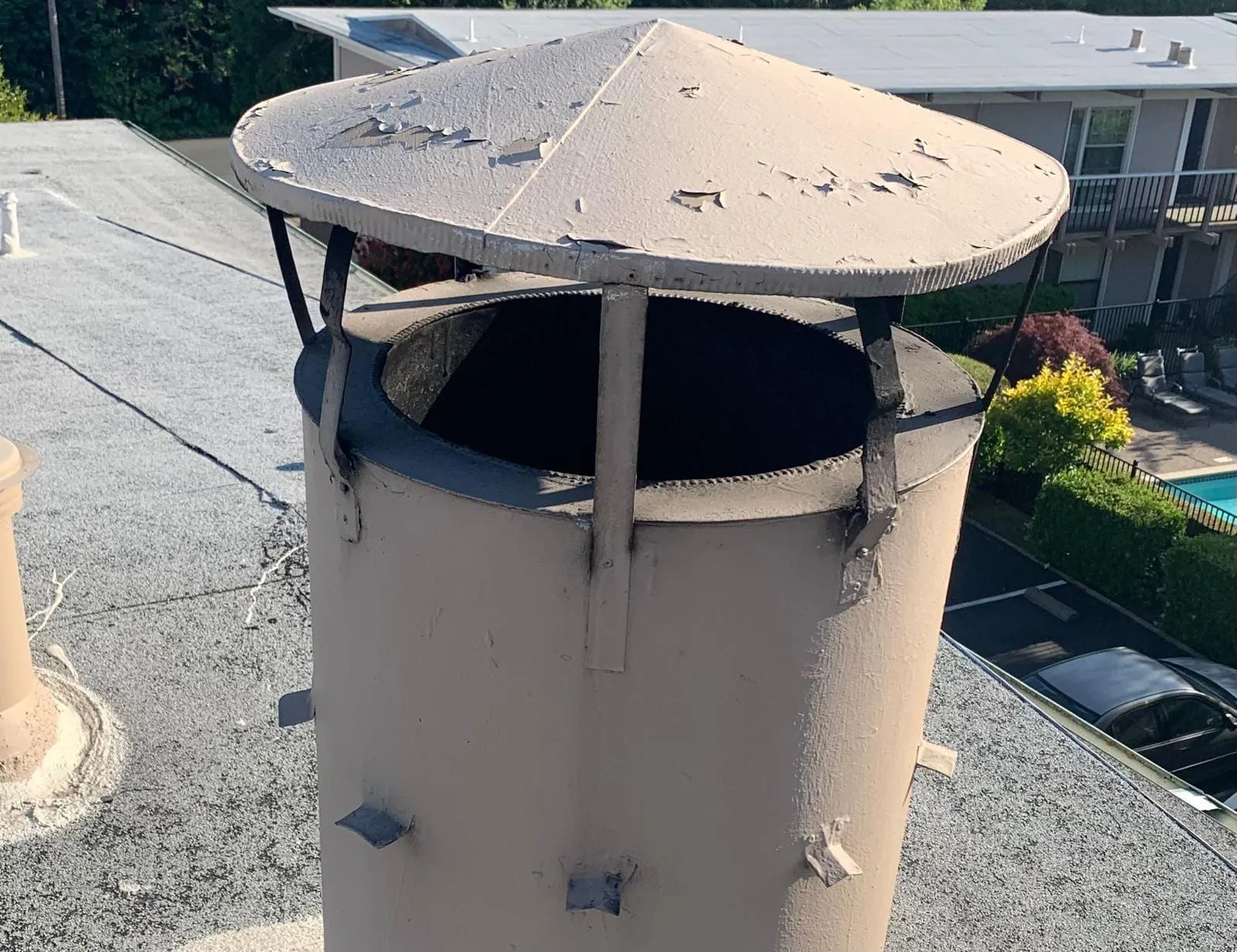
    A cap is the first surface that hail and wind reach. Its mesh keeps birds, squirrels and drifting embers out of the flue, and its lid shuts out rain and snow.

    We check: hail dents, loose fasteners, rust, mesh that has gone slack or clogged.

    Next: Crown
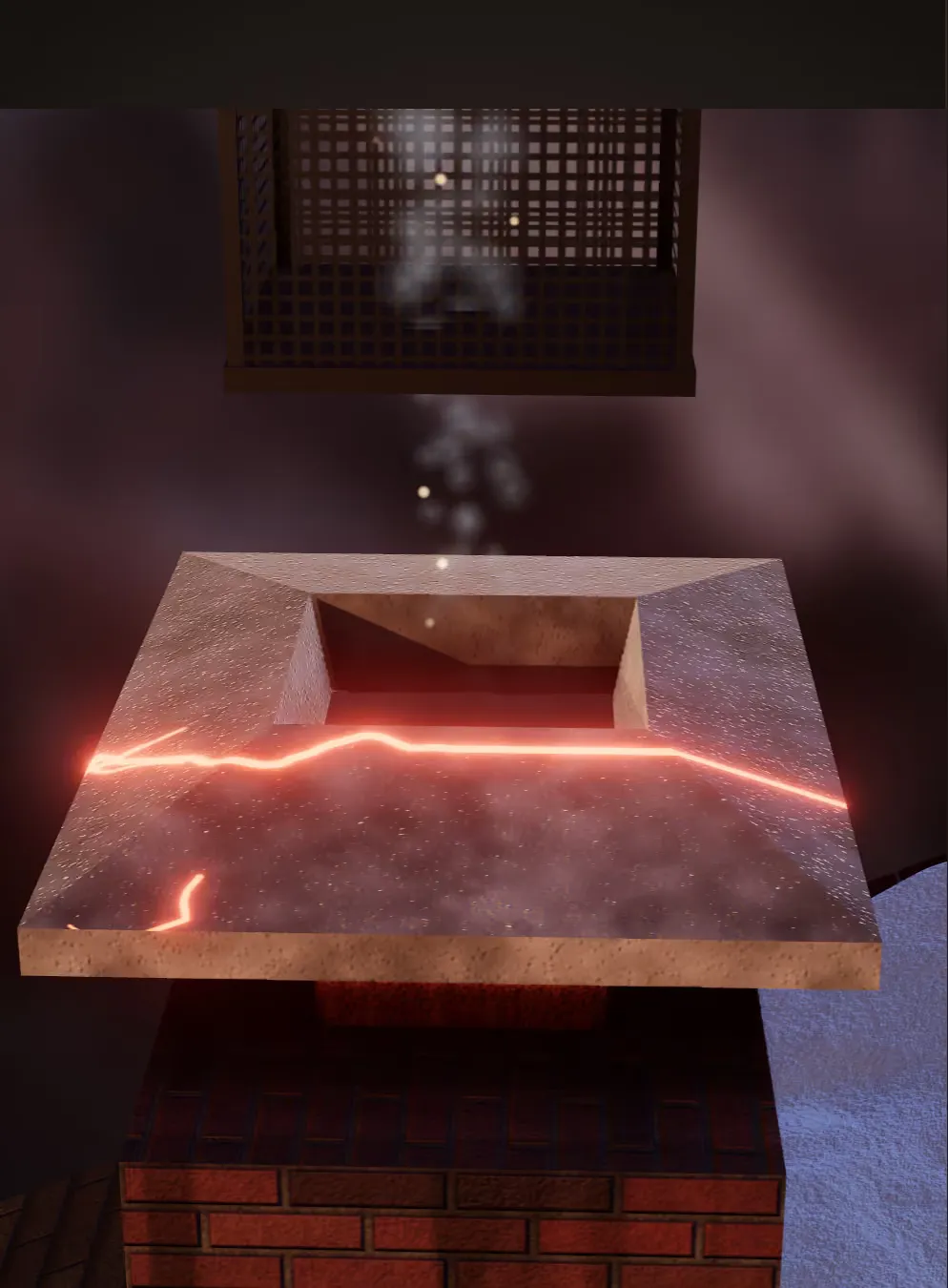
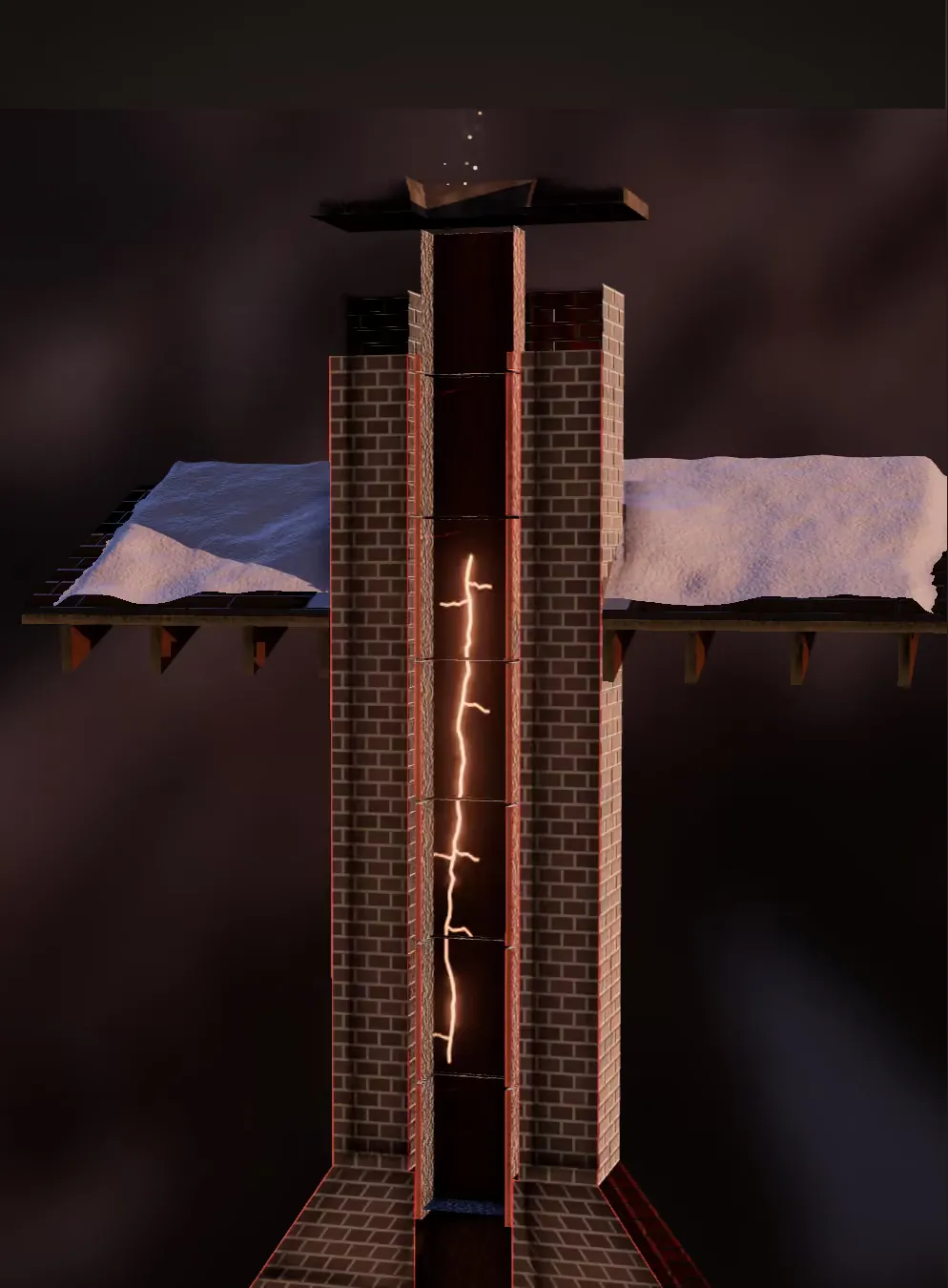
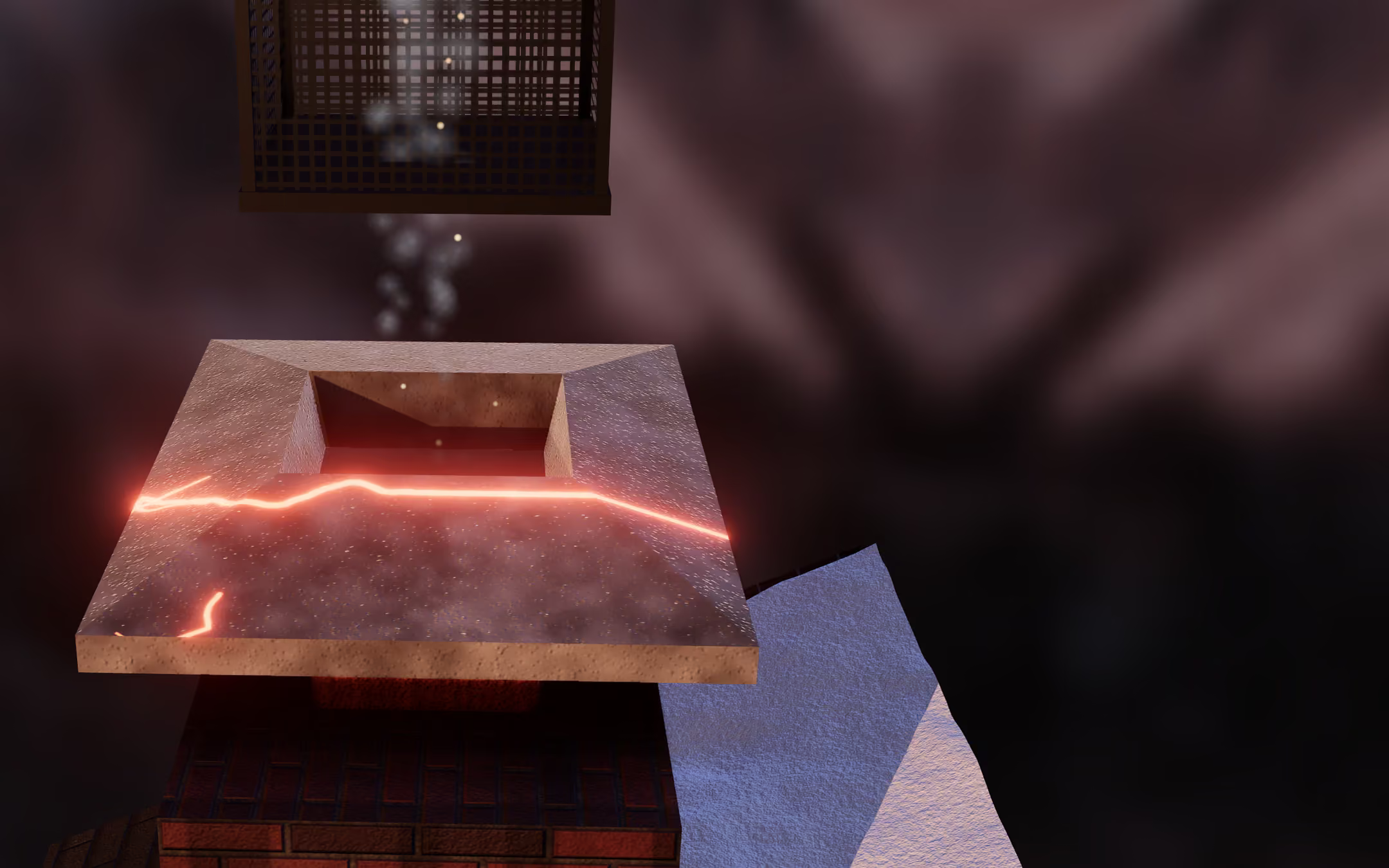
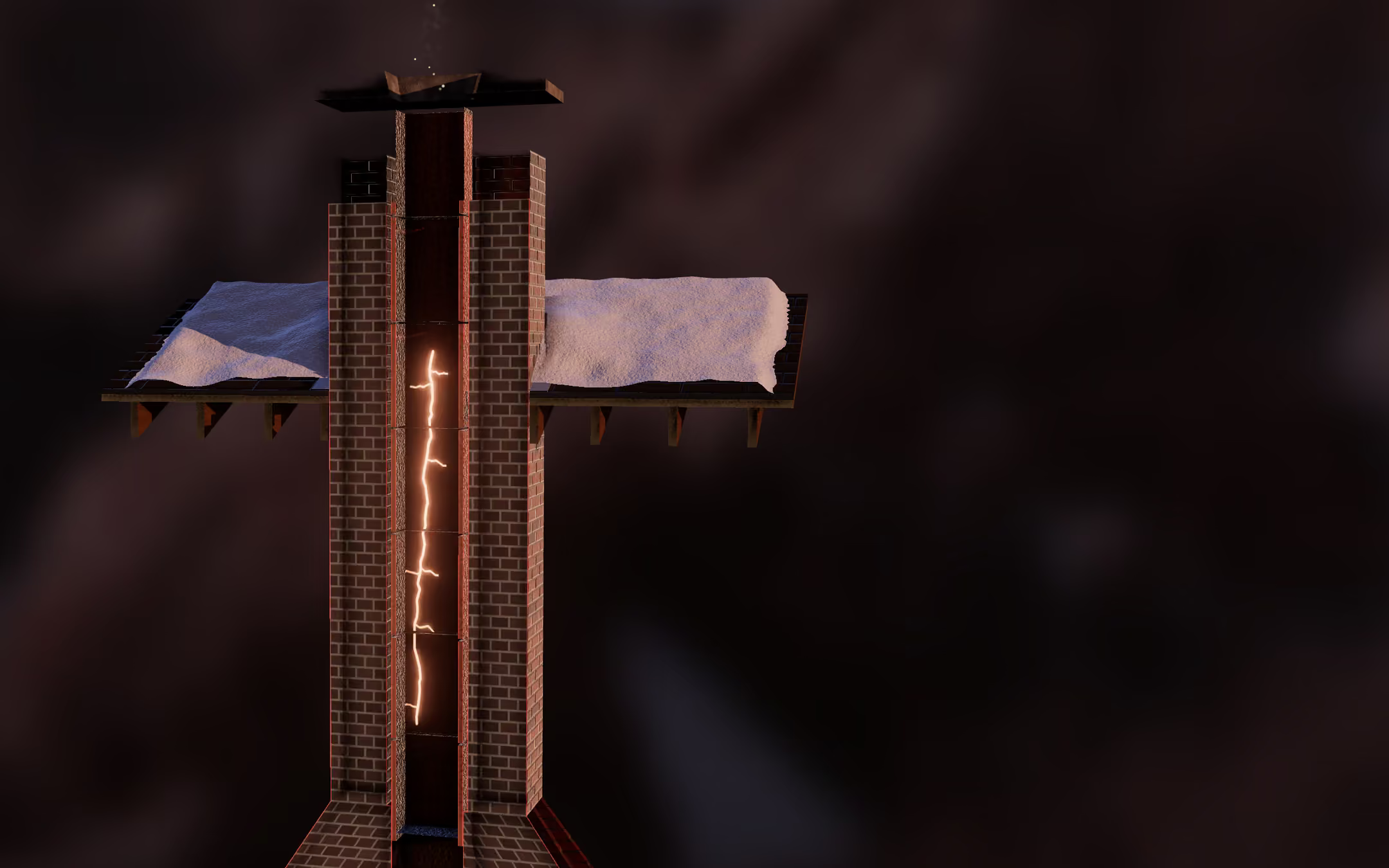
  2. An illustration of a chimney crown with a glowing crack across it
    Illustration

    2The slab on top

    Crown

    Ice takes up about 9% more room than the water it came from, so a hairline crack that fills and freezes is forced wider. In Littleton the average low stays under freezing from November through March.

    We check: hairline cracks, crumbling edges, a gap where the slab meets the flue tile.

    Next: Flashing
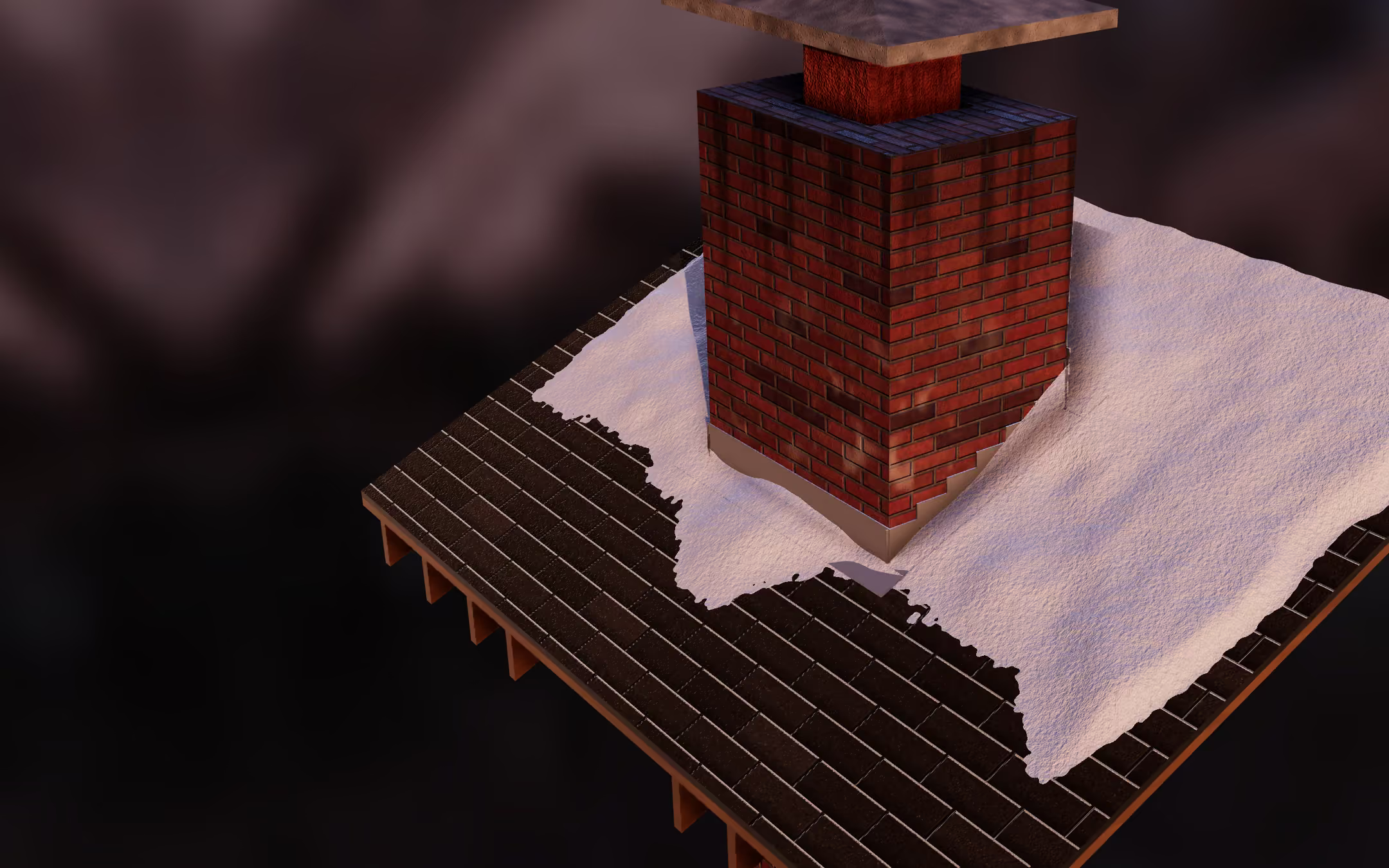
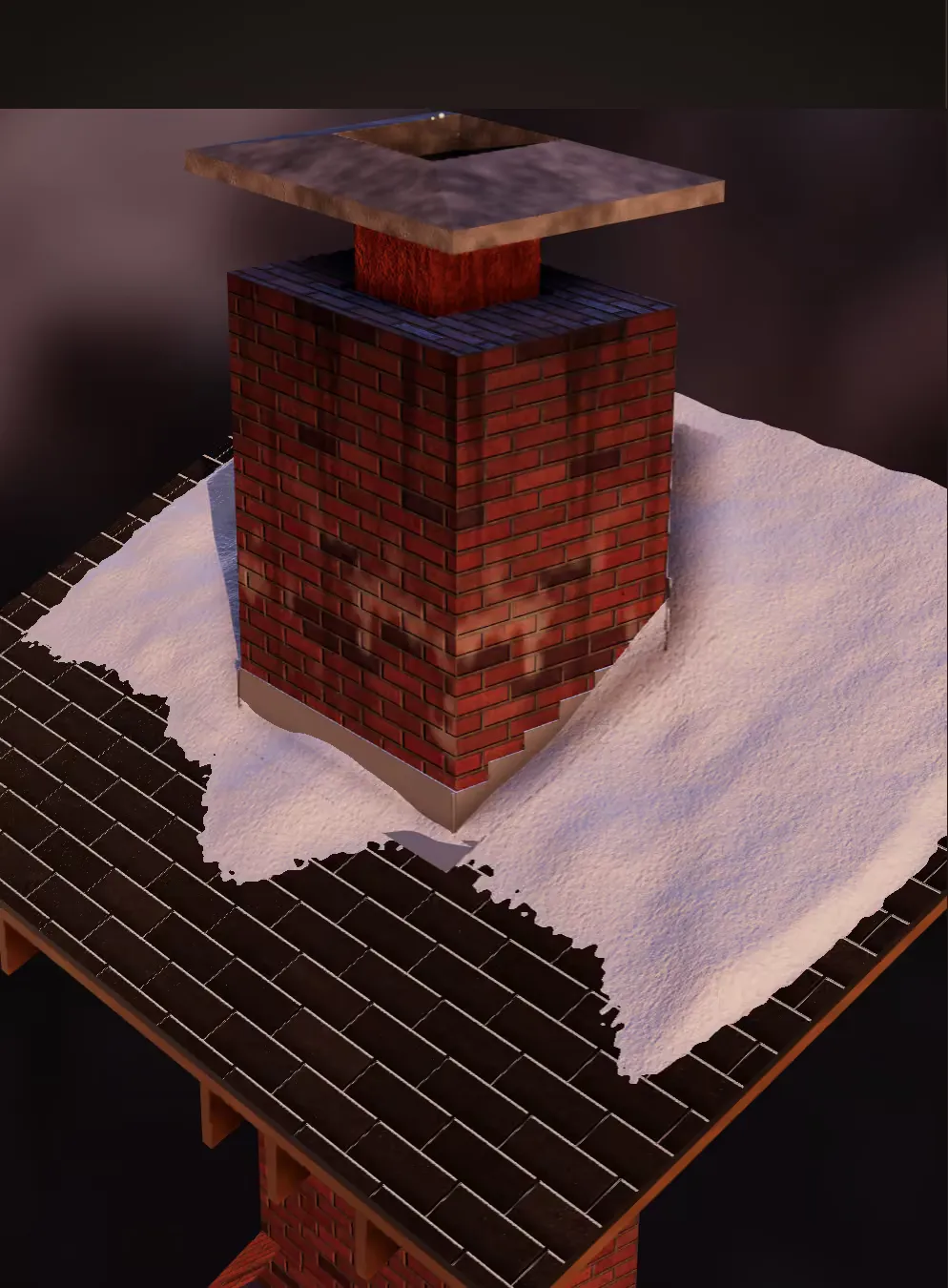
  3. An illustration of a chimney rising through a snow-covered roof
    Illustration

    3At the roofline

    Flashing

    A collar of metal and sealant closes the joint between chimney and roof. Snow that sits on the roof through a week of thaws and freezes tests that seam harder than a rainstorm does.

    We check: lifted edges, dried-out sealant, rust, brown stains on the attic side.

    Next: Flue liner
  4. An illustration of a chimney cut open to show the flue liner inside
    Illustration

    4Up the middle

    Flue liner

    The liner carries smoke and combustion gases up and out. The median home in Littleton was built in 1982, so many liners are into their fourth decade and deserve a camera look.

    We check: cracked or shifted tiles, open mortar joints, a liner that is the wrong size for the stove or insert.

    Next: Smoke chamber
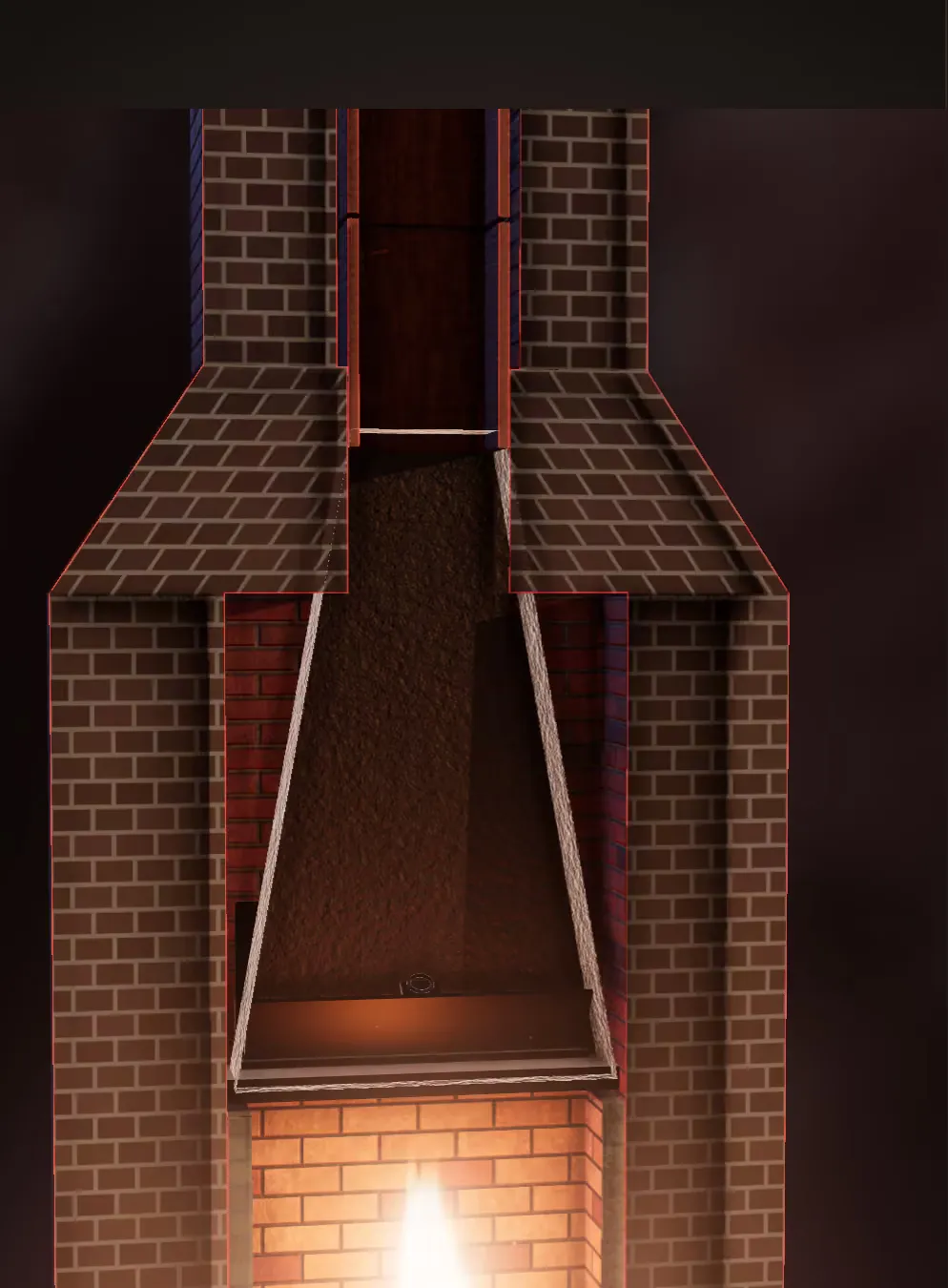
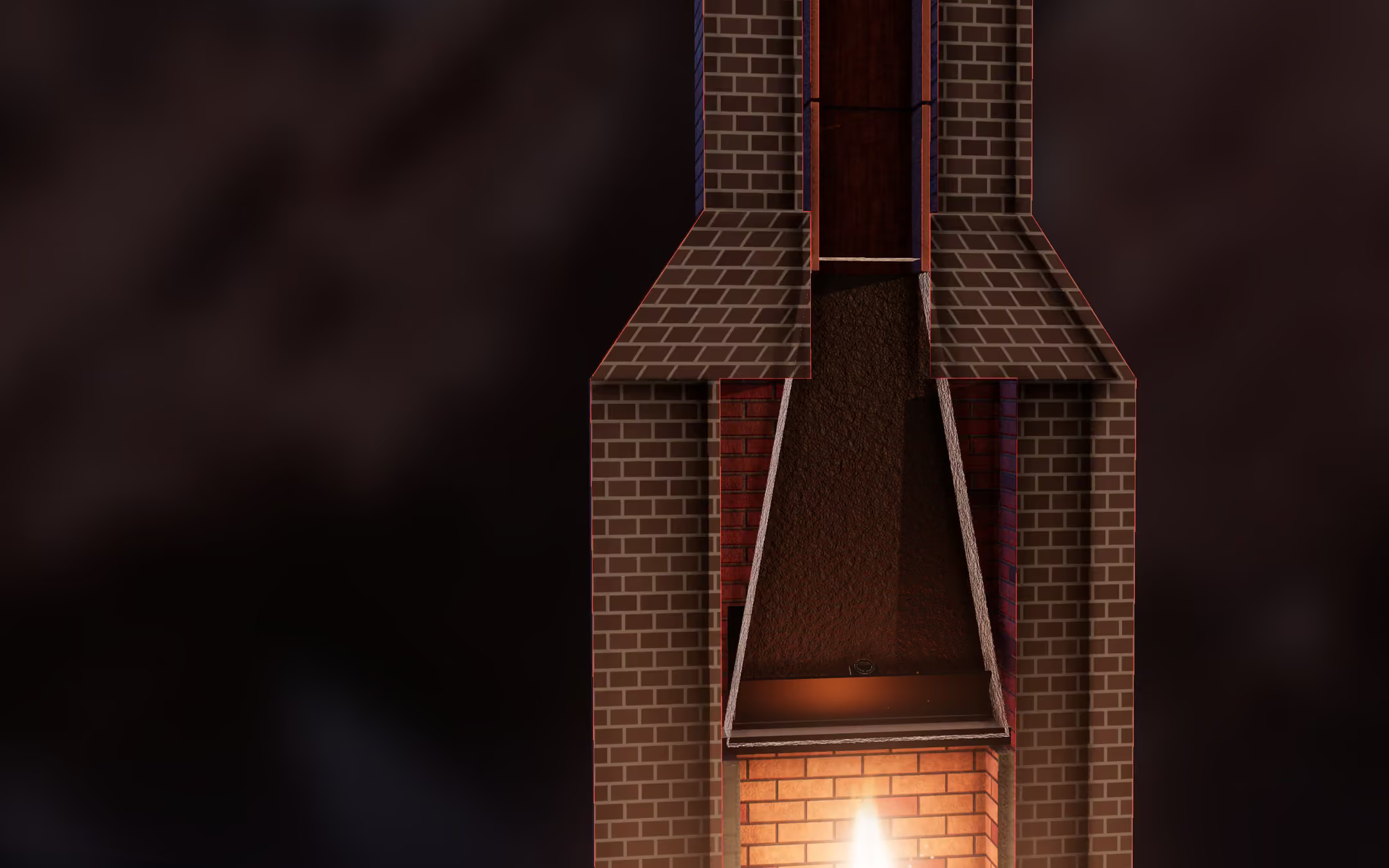
  5. An illustration of the smoke chamber above a fireplace opening
    Illustration

    5Above the damper

    Smoke chamber and damper

    Soot and creosote collect on the smoke shelf first. The Chimney Safety Institute of America puts the point to sweep at a deposit 1/8 inch thick.

    We check: glazed or tarry deposits, a damper that shuts tight, a smoke shelf that is crumbling.

    Next: Firebox
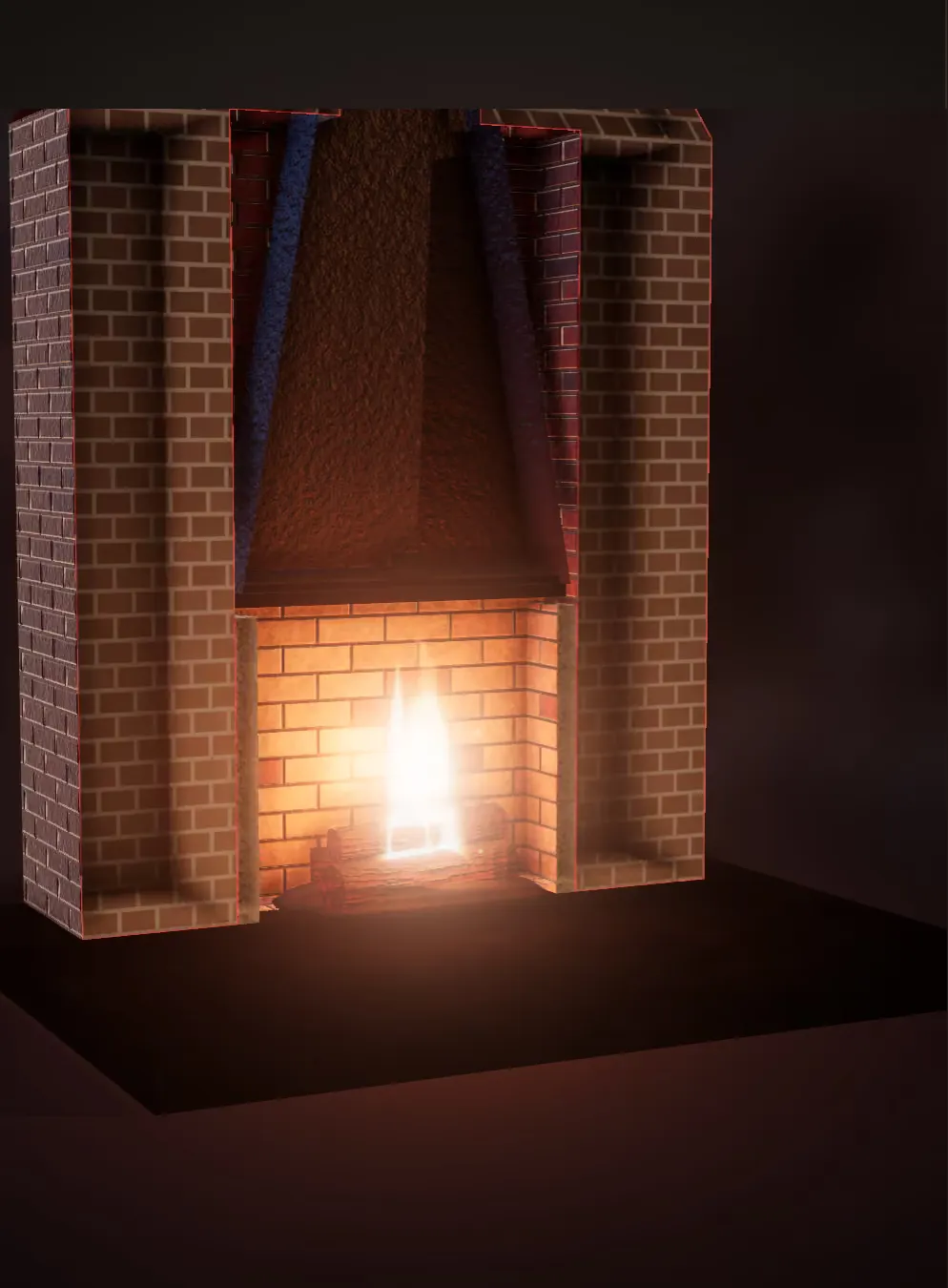
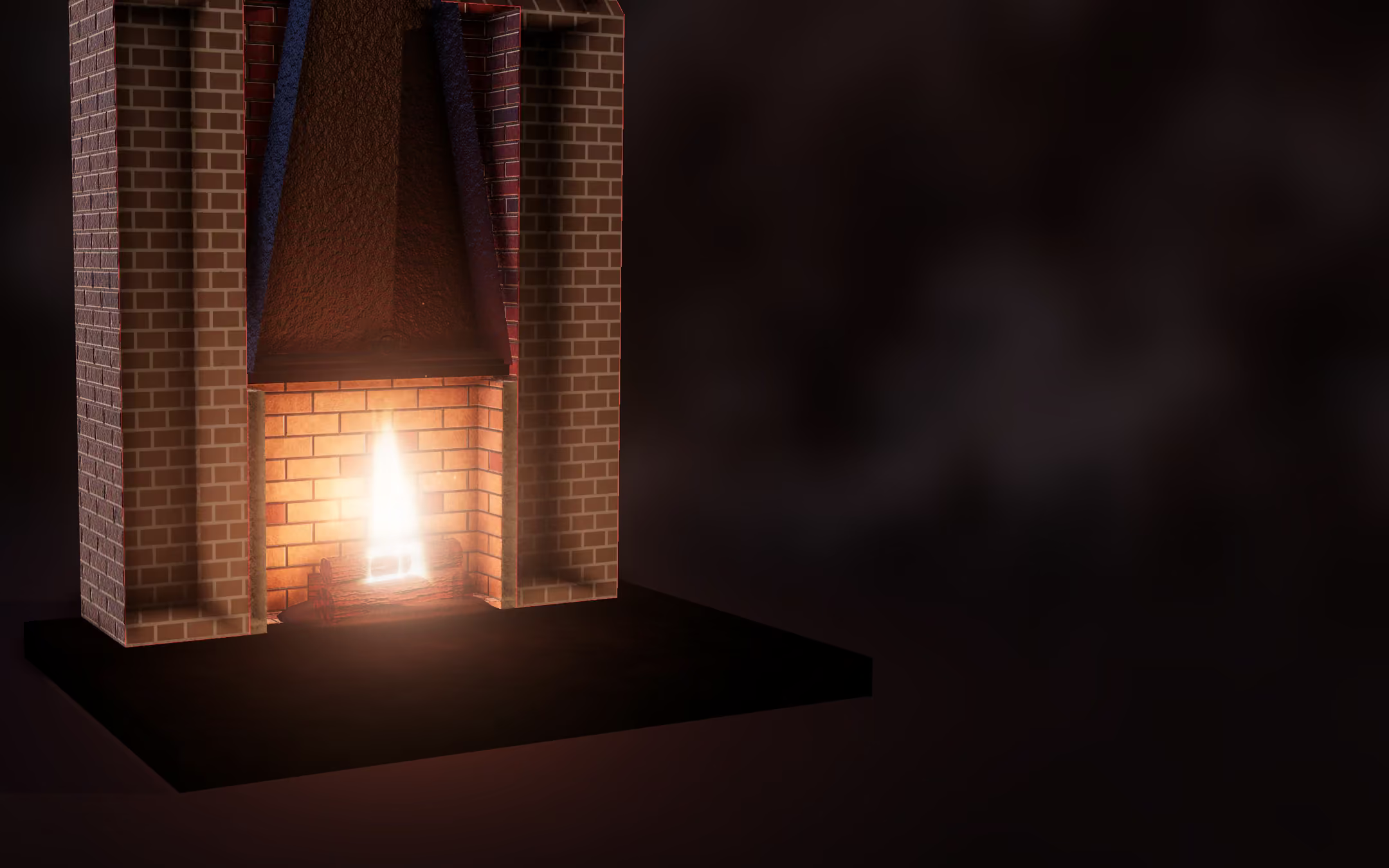
  6. An illustration of a firebox with a fire burning
    Illustration

    6The hearth end

    Firebox

    Fire hits the firebrick and its mortar joints head-on. A gap in a joint is a quick fix today and a masonry rebuild once heat has worked into the wall behind it.

    We check: open joints, cracked or flaking firebrick, a level hearth.

    See all six

Three services and one chimney, from cap to hearth.

  1. An illustration of the smoke chamber above a fireplace opening, where creosote collects
    Illustration

    A sweep brushes creosote and soot out of the flue, off the smoke shelf and out of the firebox. With the passage clear, smoke leaves by the chimney instead of the room, and a spark has less to catch on.

    • The flue, from the damper to the cap
    • Firebox, smoke shelf and hearth
    • A short note on what we found
    How a sweep works
    Book a sweep
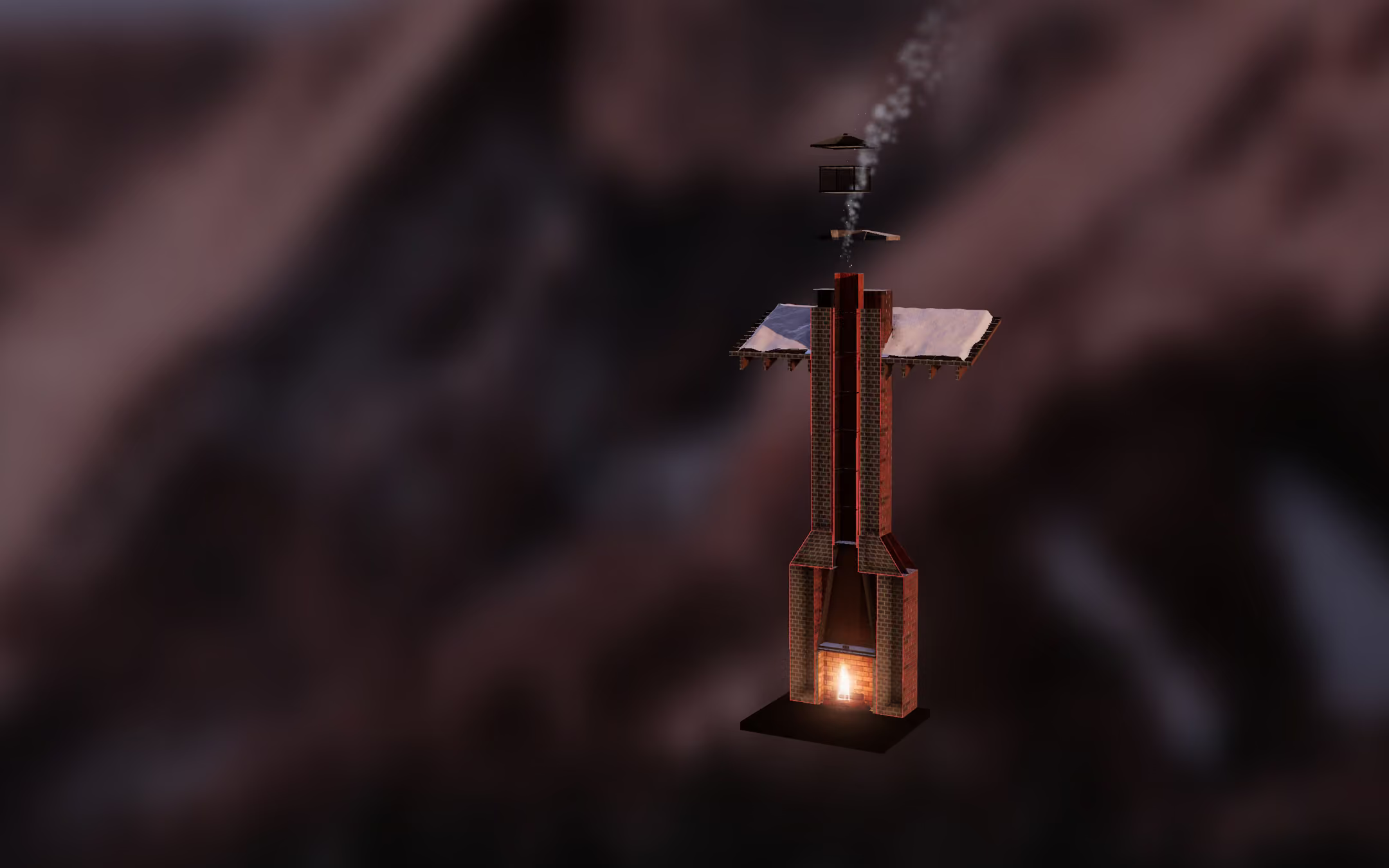
  2. An illustration of a chimney with its parts separated, from the cap down to the firebox
    Illustration

    A top-to-bottom look at the cap, crown, flashing, liner, smoke chamber and firebox. Book one each year, after a chimney fire or a hailstorm, and when a house is bought or sold: NFPA 211 calls for a Level 2 at a sale.

    • Cap, crown and flashing
    • The flue, end to end
    • A clear account of each trouble spot
    What an inspection checks
    Book an inspection
  3. An illustration of a concrete chimney crown with a glowing crack across it
    Illustration

    Crowns, caps, flashing, mortar joints and firebrick mended. A repair made at the first sign of trouble keeps water out before the next hard freeze can widen the damage.

    • Crown sealing and rebuilds
    • Caps and spark screens
    • Tuckpointing and flashing repairs
    What we repair
    Ask about a repair
  4. An illustration of a firebox with a fire burning
    Illustration

    For fireplaces and stoves that are lit now and then: the firebox and smoke shelf cleared, the stove pipe brushed, the damper worked through its full travel.

    • Firebox and smoke shelf
    • Stoves, inserts and their pipe
    • The damper and its travel
    Fireplace and stove cleaning
    Book a cleaning

What Littleton weather does to a chimney.

Three forces that reach chimneys along the Front Range, and why a small repair now beats a large one after the next storm.

  1. 01 / 03

    9%. Ice in the cracks

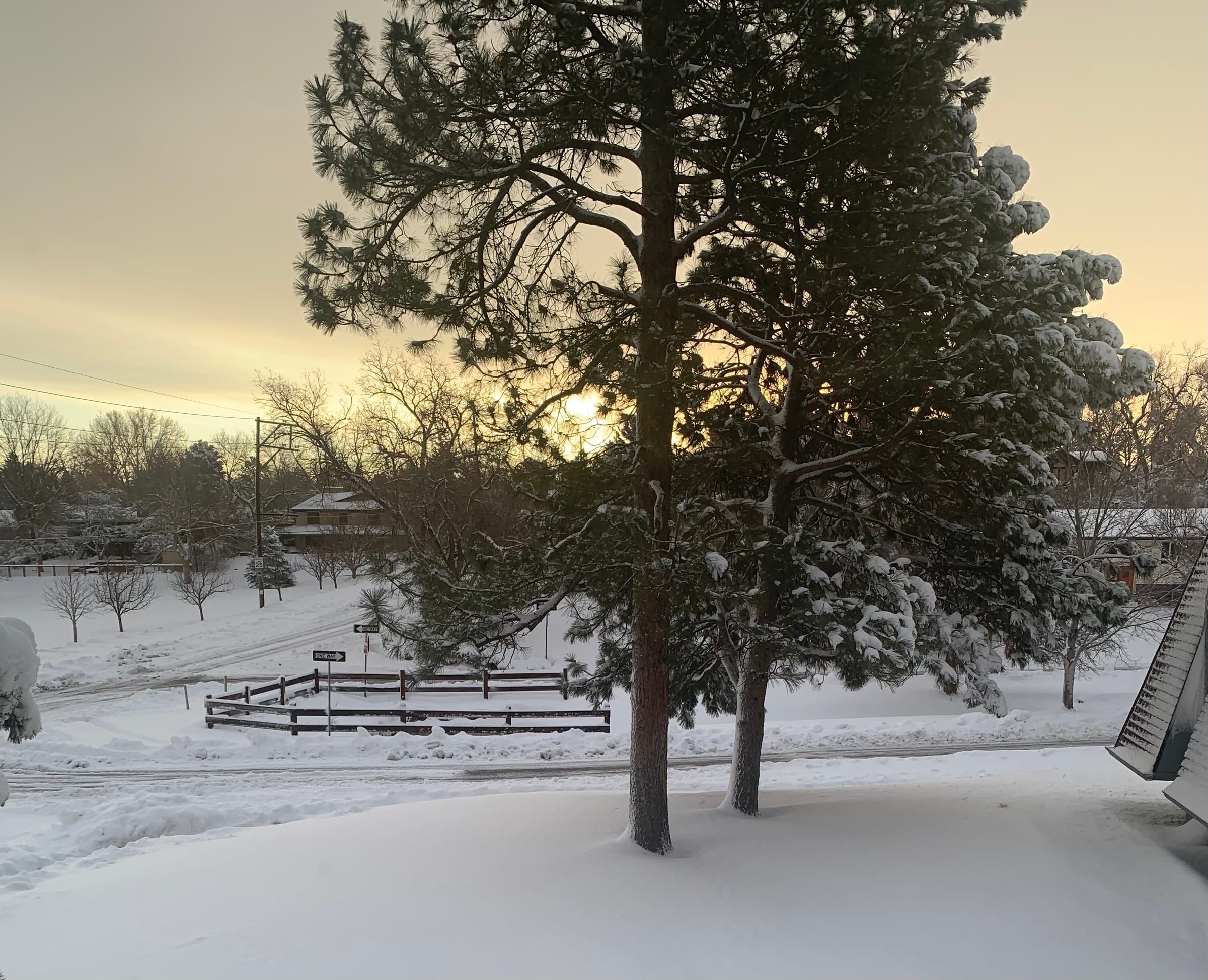
    Ice takes up about 9% more room than the water it came from. At the Littleton station of the Western Regional Climate Center the average low is under 32°F from November through March, so a cracked crown or an open mortar joint is forced a little wider on every cold night.

    Source: Physics of ice; Western Regional Climate Center, Littleton station (1978 to 1994)

    Photo: Hu Nhu, CC BY-SA 4.0

    Photo: Hu Nhu, CC BY-SA 4.0

  2. 02 / 03

    2.75 in. Wind-driven hail

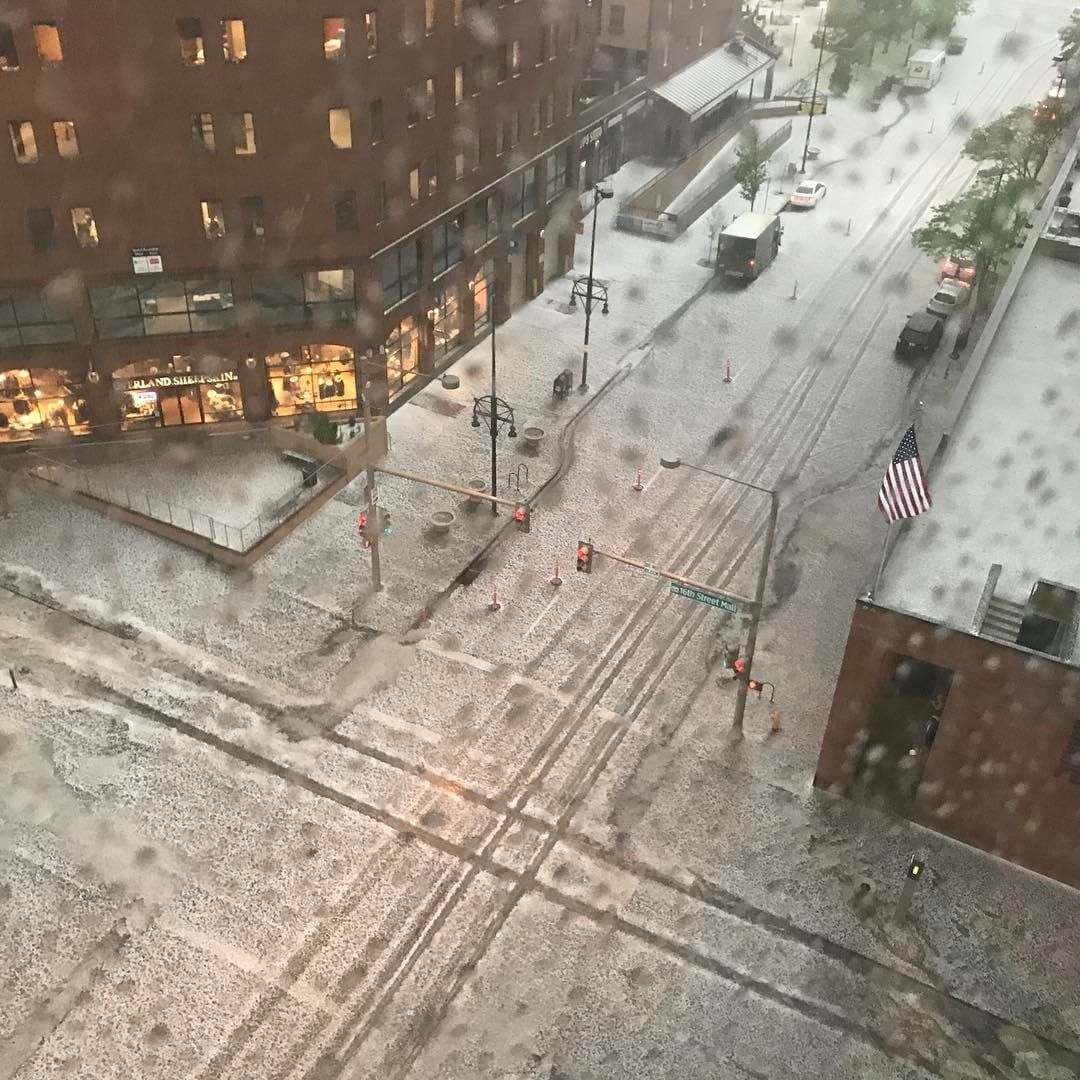
    The largest stone in the NWS Boulder storm report for May 8, 2017 measured 2.75 inches, and that storm cost insurers about 2.3 billion dollars across the Denver metro area. Hail strikes the highest parts of a roof first: the cap, the crown and the flashing.

    Source: NWS Boulder, May 8, 2017 hailstorm summary

    Photo: Len Edgerly, CC BY-SA 2.0

    Photo: Len Edgerly, CC BY-SA 2.0

  3. 03 / 03

    1/2 in. Sparks and embers

    Winter is the dry season here: January averages 0.36 inch of precipitation at the Littleton station. The screen of a cap, with openings no wider than 1/2 inch in the model building code, holds back the sparks a flue sends up over dry grass and shingles.

    Source: IRC 2021 R1003.9.2; Western Regional Climate Center, Littleton station

    Photo: Sdkb, CC BY-SA 4.0

    Photo: Sdkb, CC BY-SA 4.0

Chimneys, up close.

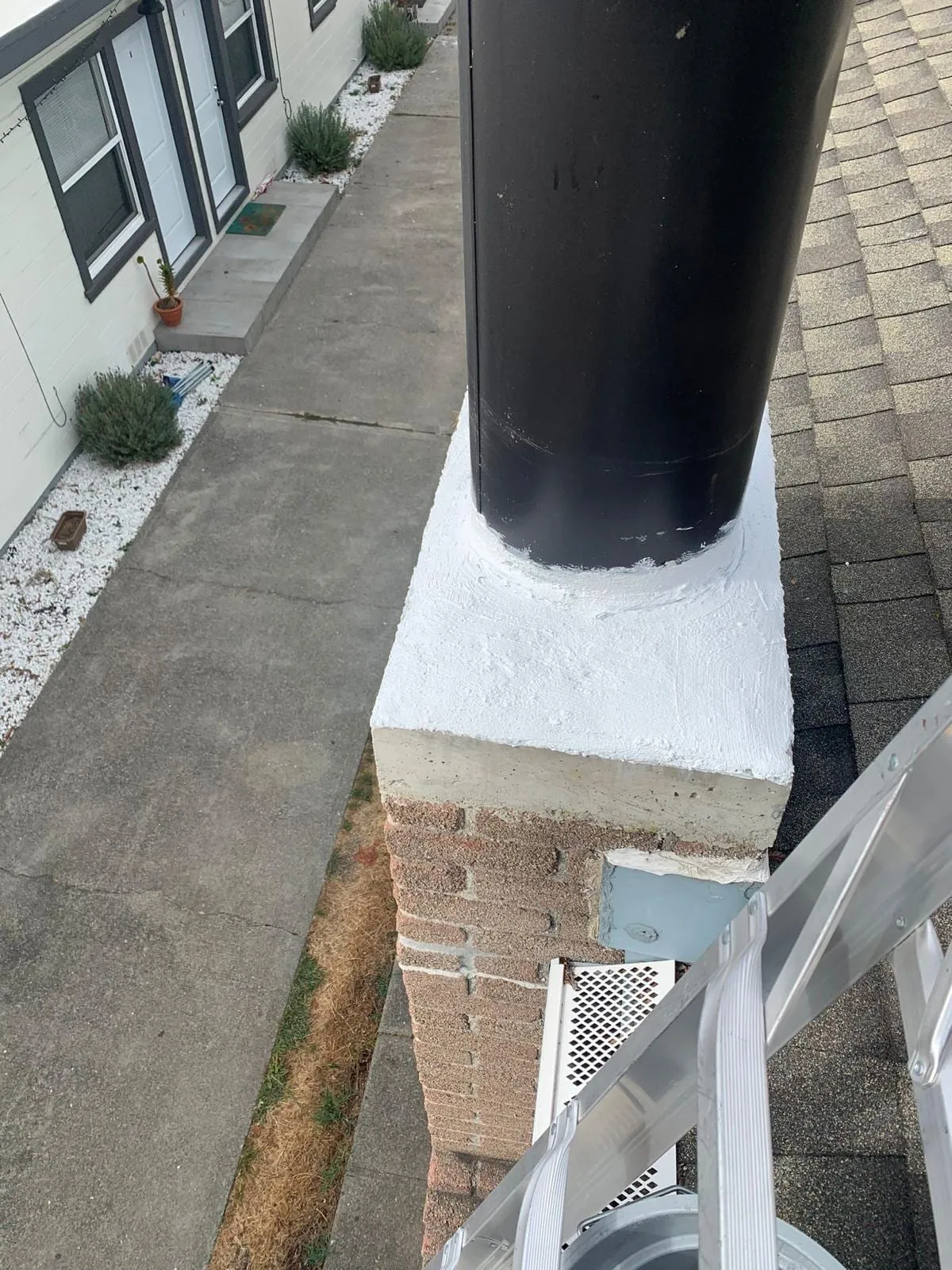
Two photos from our Google Business Profile.

Tags with an arrow jump to that part in the chimney walkthrough.

Littleton, from Main Street out to the foothills.

We are based in Littleton, the Arapahoe County seat. The map shows the outline of the city and the places around it: and , the riverside trails of , and out toward , and to the south.

Not sure your address is in range? Call (720) 792-3635 and we will tell you.

City of LittletonContours every 100 ft

Relief: AWS Terrain Tiles. Boundary: Census Bureau TIGERweb. Place names and coordinates: OpenStreetMap contributors.

  • Littleton
  • Downtown Littleton
  • Ketring Lake
  • South Platte Park
  • Columbine
  • Ken Caryl
  • Dakota Ridge
  • Chatfield Reservoir
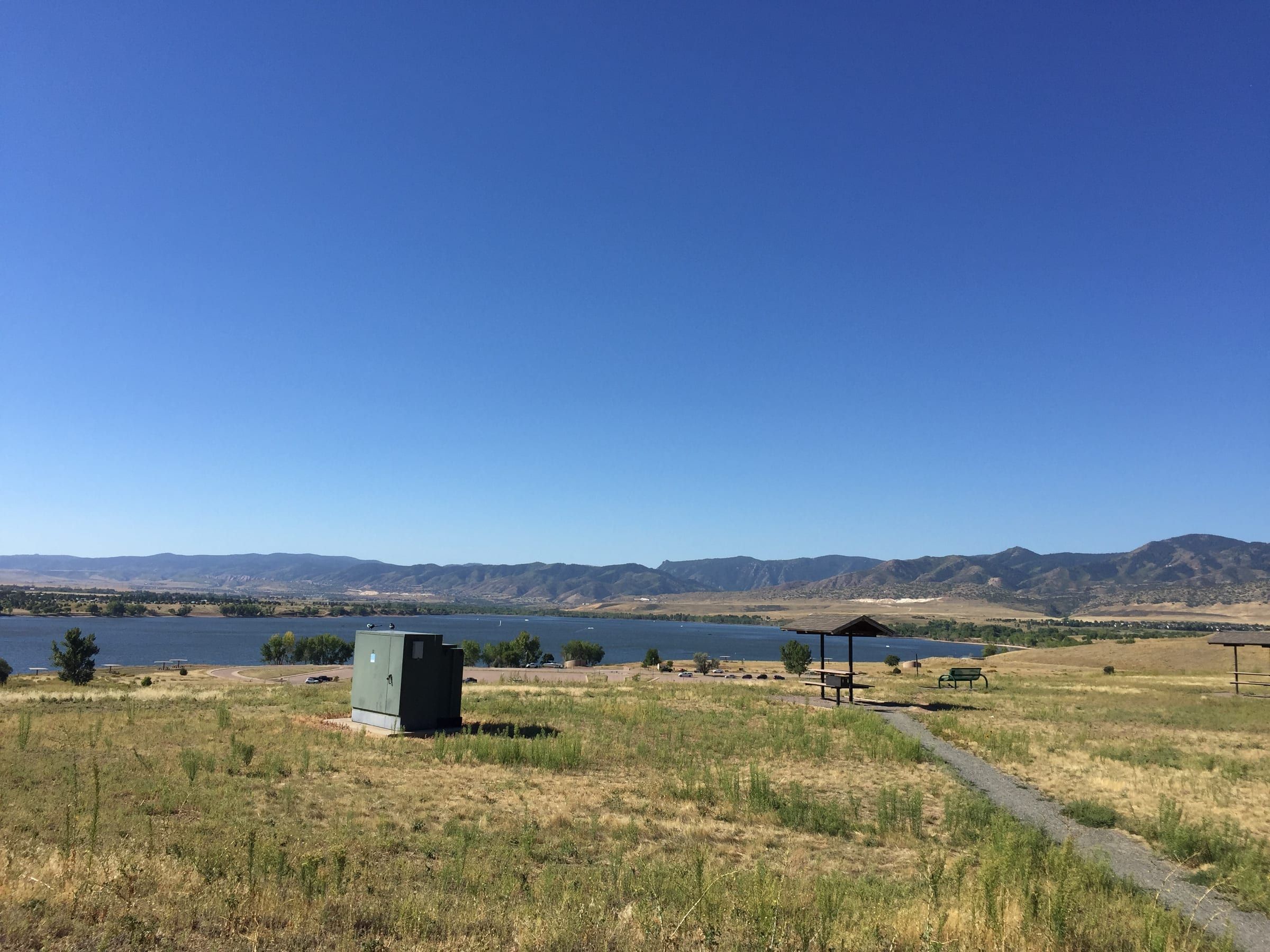
Chatfield Reservoir in September: a deep blue sky over the water, with dry golden hills along the far shore

Photo: Lovemedead, CC BY 4.0

Questions from Littleton homeowners.

Straight answers, each with its source where one exists.

How often should a chimney be swept?

How much you burn matters more than the calendar. The Chimney Safety Institute of America’s rule of thumb is to sweep once the deposit is 1/8 inch thick, and NFPA wants an inspection every year, which is when that thickness gets measured. In the Census Bureau’s 2020 to 2024 survey the estimate for Littleton homes heated mainly with wood is zero, so most fireplaces here are lit for an evening, and the yearly look is what shows whether a sweep is due.

Source: CSIA; NFPA 211; US Census Bureau, ACS 2020 to 2024

Should a chimney be inspected before a home sale?

Selling or transferring a property is one of the events for which NFPA 211 calls for a Level 2 inspection, which adds the attic, the crawl space and a camera pass up the flue. Of Littleton’s 21,606 homes, 721 date from 1939 or earlier and 4,598 from the 1980s, so what stands inside the walls changes a lot from one address to the next.

Source: NFPA 211; US Census Bureau, ACS 2020 to 2024

Why does the fireplace smell smoky on warm days?

That smell is creosote. Any flue that has been used holds some, but warm, muggy air and a downdraft carry it into the room. A sweep removes the source, and a damper that seals tightly plus a cap keep what is left in the chimney.

Source: CSIA guidance

What is the crown, and why does it crack?

On top of the masonry sits the crown, a concrete slab that throws water clear of the brick and the flue. Ice takes up about 9% more room than water, and Littleton’s average low is under freezing from November through March, so a small crack opens a little further with each cold spell.

Source: Physics of ice; Western Regional Climate Center, Littleton station

Is a chimney cap really necessary?

Yes. Birds, squirrels, rain and snow are kept out of the flue by the cap, and its screen doubles as the spark arrestor. IRC 2021, section R1003.9.2, gives the screen openings as 3/8 to 1/2 inch: small enough to hold back embers, open enough not to clog. The code a city adopts can differ, and after a hailstorm the cap is the first thing to check.

Source: IRC 2021, R1003.9.2

Where do you work?

We are based in Littleton. If you are not sure your address is in range, whether in the city or in Columbine or Ken Caryl, call (720) 792-3635 and ask.

How do I book?

Phone the office on (720) 792-3635 (Mon to Fri 7 AM to 7 PM, Sat 8 AM to 5 PM), or use the form lower on this page whenever you like. After that, we call you back and settle a time together.

Book a visit.

Describe the problem on the form, or simply phone, and we will call back to set a time.

  1. 1Ask Phone the office or send the form.
  2. 2Callback We ring back to set a time that suits you.
  3. 3Visit We work down the chimney, cap first.
  4. 4Your call You decide what is done, and when.

Office

Mon to Fri 7 AM to 7 PM, Sat 8 AM to 5 PM

(720) 792-3635

Online

At any hour, by form

Photo: Roxborough Panorama, Footwarrior, CC BY-SA 3.0

What do you need?

What do you need?

About your chimney

What do you burn?

How do we reach you?

Best time to call

Back

Ready for the first fire of the season, or worried by something you saw up there?

Office Mon to Fri 7 AM to 7 PM, Sat 8 AM to 5 PM. Book online any hour.

Book online